


Lifelynk Series: All In One Hybrid Inverter & Battery Review
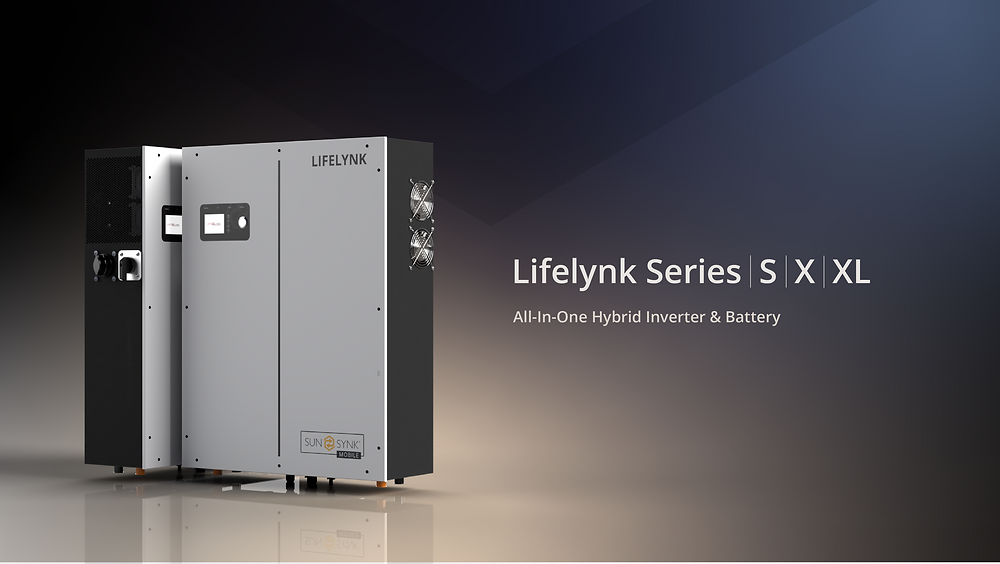
A Detailed Overview of the Sunsynk Lifelynk Inverter Series: All-In-One Hybrid Inverter & Battery Review
The demand for hybrid energy solutions is on the rise, as homeowners and businesses seek ways to integrate renewable energy systems that offer both efficiency and independence from the grid. Sunsynk, a key player in the solar energy market, has introduced several products in the hybrid inverter category, including its highly regarded lifelynk inverter Series All-In-One Hybrid Inverter & Battery.
In this article, we will delve into the advantages and disadvantages of the Sunsynk lifelynk Series All-In-One Hybrid Inverter & Battery compared to other Sunsynk hybrid inverters, offering insights to help you choose the right system for your energy needs.
Understanding the Sunsynk Lifelynk Series
Before comparing it to other Sunsynk hybrid inverters, it’s essential to understand the key features that define the Lifelynk Series.
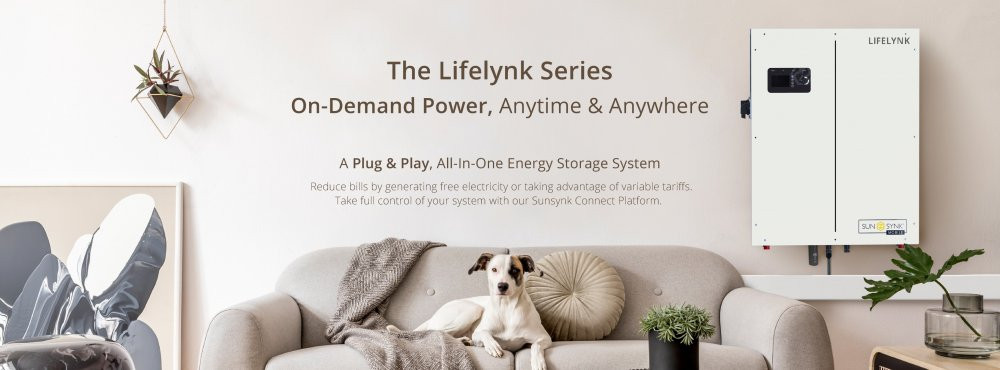
The Sunsynk Lifelynk Series is a unique all-in-one solution that combines both an inverter and a battery into a single compact unit. It is designed to provide power management, energy storage, and grid integration, all while ensuring seamless transitions between solar, battery, and grid power.
The hybrid inverter technology allows for effective solar energy use, battery storage, and grid interaction, while its battery can serve as backup power during outages or periods of low solar production.
Advantages of the Sunsynk Lifelynk Series All-In-One Hybrid Inverter & Battery
1. Compact All-In-One Design
- Space Efficiency: The all-in-one design of the Lifelynk Series combines the hybrid inverter and battery into a single unit, saving space compared to systems that have separate components for inverters and batteries.
- Streamlined Installation: Since the system integrates both the inverter and battery, installation is simplified. There is no need for complex wiring between the components, reducing installation time and costs. For users with limited installation space, this is a major advantage.
2. Backup Power and Uninterrupted Supply
- Integrated Battery Backup: The built-in battery provides backup power in case of grid outages. This feature is especially beneficial in areas with unreliable grid electricity. The system automatically switches to battery mode during outages, providing uninterrupted power to critical loads.
- Load Prioritization: The Lifelynk system can be set up to prioritize important appliances or devices, ensuring that essential loads such as lighting, refrigerators, or security systems remain powered for extended periods during outages.
3. Energy Management and Self-Consumption Optimization
- Efficient Energy Usage: The system is designed to optimize self-consumption, meaning it uses the solar energy generated on-site to power the home or business first before exporting to the grid. Excess energy is stored in the integrated battery for use during the evening or periods of low solar production.
- Cost Savings: By reducing reliance on the grid, users can save significantly on energy bills, especially in regions with time-of-use tariffs or high electricity costs.
4. Modular Scalability
- Expandable Battery Storage: The Lifelynk system allows users to expand the battery capacity as their energy needs increase, making it a scalable solution for growing households or businesses. Users can start with a smaller capacity and add additional storage over time.
- Adaptable to Various Applications: The flexibility of this system makes it suitable for a wide range of applications, from small residential installations to larger commercial setups, offering a future-proof energy solution.
5. Smart Monitoring and Control
- Remote Monitoring: The Lifelynk Series offers advanced remote monitoring capabilities, allowing users to track energy production, consumption, and battery status in real-time via mobile apps or a web portal.
- Smart Energy Management: The system can be integrated with other smart home technologies, optimizing energy usage according to household demand and real-time conditions.
Disadvantages of the Sunsynk Lifelynk Series All-In-One Hybrid Inverter & Battery
1. Higher Initial Cost Compared to Other Sunsynk Models
- All-In-One Premium: The Lifelynk Series typically has a higher upfront cost compared to standalone Sunsynk hybrid inverters. This is because it combines both the inverter and battery into a single unit, which adds to the manufacturing cost. Users on a budget may prefer separate components to spread out the investment.
- Lower Flexibility in Component Selection: With the all-in-one design, users cannot independently choose the inverter and battery brands or capacities. If a specific inverter or battery technology is preferred, the Lifelynk Series might not offer the same level of customization as individual hybrid inverters.
2. Battery Life and Replacement
- Battery Degradation: Like all lithium-ion batteries, the battery in the Lifelynk Series will degrade over time, with a typical lifespan of 8-12 years depending on usage patterns and environmental conditions. Users may need to replace the battery after several years, which can be costly.
- Battery Size Limitation: While expandable, the initial battery capacity in the Lifelynk Series may not be sufficient for users with large energy demands, particularly in off-grid applications. Some users may need to invest in additional storage sooner than expected.
3. System Complexity
- Integrated Systems Can Be Harder to Service: The all-in-one design simplifies installation but can complicate maintenance. If an issue arises with either the inverter or battery, the entire system may need servicing, potentially leading to downtime. In contrast, separate systems allow for independent repairs and replacements.
- Specialized Maintenance Required: Not all solar installers are familiar with all-in-one hybrid systems. Maintenance or troubleshooting might require specialists with experience in such integrated designs, which can add to the overall operational cost if not readily available in your region.
Comparing the Lifelynk Series with Other Sunsynk Hybrid Inverters
Sunsynk offers a range of standalone hybrid inverters, which, when paired with batteries of your choice, can offer a flexible and powerful renewable energy solution. Below are some key comparisons between the Lifelynk Series and these standalone models.
1. Component Flexibility
- Standalone Inverters: Sunsynk's standalone hybrid inverters, such as the 5kW and 8kW models, offer users the flexibility to choose their own battery storage systems. This allows users to customize their system according to specific energy requirements or budgetary constraints. Lifelynk, on the other hand, integrates the battery into the unit, reducing customization options.
- Lifelynk Series: Provides a plug-and-play option with fewer decisions required, which is ideal for users who want a straightforward, integrated solution without needing to research or purchase separate components.
2. Scalability and Expansion
- Standalone Inverters: With standalone Sunsynk hybrid inverters, users have more flexibility to scale both the inverter and battery components separately. This is advantageous for larger setups or businesses where energy needs may change dramatically over time. For example, a 5kW inverter can later be upgraded to an 8kW inverter if demand increases.
- Lifelynk Series: While expandable in terms of battery storage, the inverter component is fixed, limiting the potential to upgrade the inverter capacity without replacing the entire unit.
3. Cost Considerations
- Standalone Inverter with Separate Battery: In some cases, purchasing a standalone inverter and battery separately can be more cost-effective, especially for users who already have existing components (e.g., they already own a battery and only need an inverter). Additionally, separate systems often have longer warranties and independent component upgrades.
- Lifelynk Series: The all-in-one system’s upfront cost can be higher due to its integrated nature. However, it may offer savings on installation and wiring compared to setting up separate components.
4. Use Cases
- Standalone Hybrid Inverters: Better suited for users who already have a battery or want to select a specific battery brand or type. They are also ideal for larger installations where more customization and scalability are needed.
- Lifelynk Series: Best for users seeking an easy-to-install, all-in-one system that doesn’t require much decision-making or customization. It’s particularly suited for residential or small business installations where space, simplicity, and plug-and-play functionality are important.
Conclusion: Is the Lifelynk Series Right for You?
The Sunsynk Lifelynk Series All-In-One Hybrid Inverter & Battery offers a convenient, space-saving, and efficient solution for renewable energy storage and management. Its key advantages—such as compact design, backup power, and integrated energy management—make it an excellent choice for those looking for an easy-to-install, plug-and-play system.
However, compared to other Sunsynk standalone hybrid inverters, the Lifelynk Series comes with higher upfront costs and less flexibility in component selection and upgrades. For users who prioritize customization, scalability, or cost control over time, standalone Sunsynk inverters paired with separate batteries may be a more suitable choice.
Ultimately, the choice between the Lifelynk Series and other Sunsynk hybrid inverters depends on your specific energy needs, budget, and whether you prefer simplicity or flexibility in your solar energy system.
Recent Posts

KODAK Inverter Review: Models, Advantages, and Disadvantages Compared to Inverter Brands in South Africa
Why Choose CARTWiLLS: The Advantages of Shopping with us Over Niche-Specific eCommerce Sites
The Advantages of Installing Solar Grid-Tie, Off-Grid and Backup Systems in South Africa: A Comprehensive Guide


